

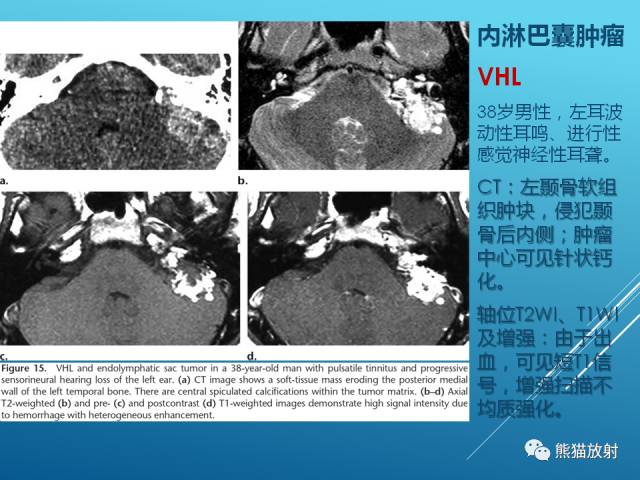
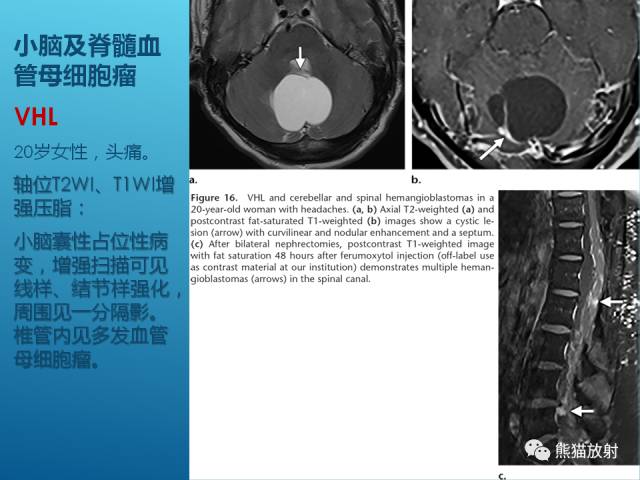
原文:
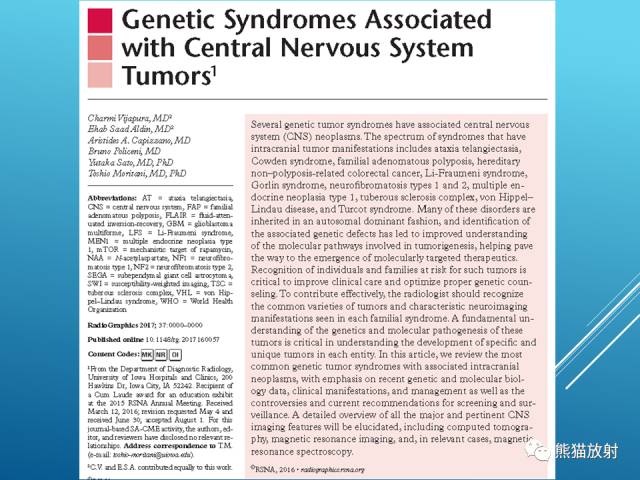
Genetic Syndromes Associated with Central Nervous System Tumors.
(RadioGraphics 2017–第一期)
Abstract
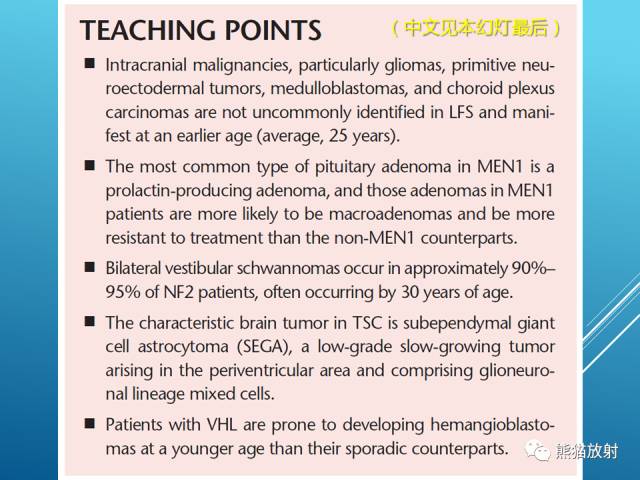
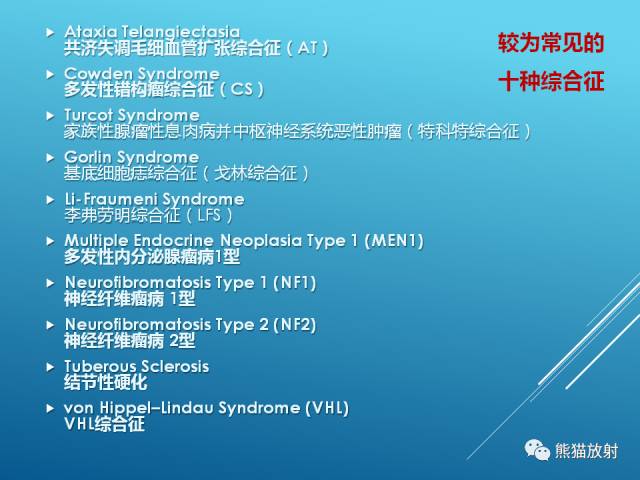
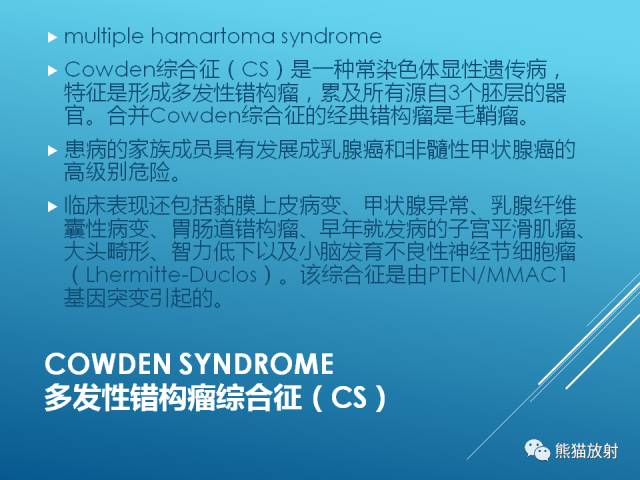
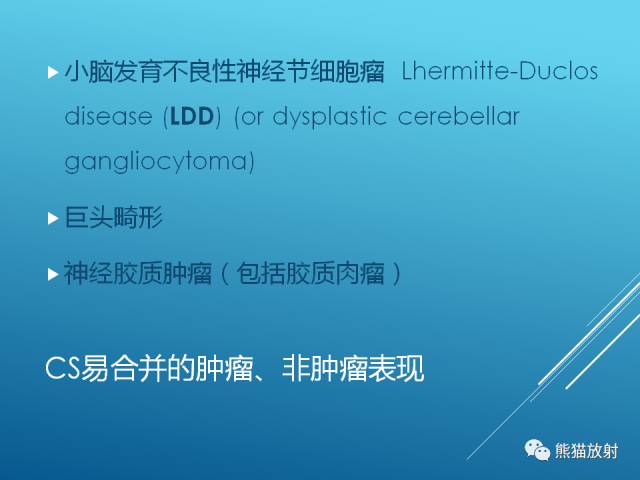
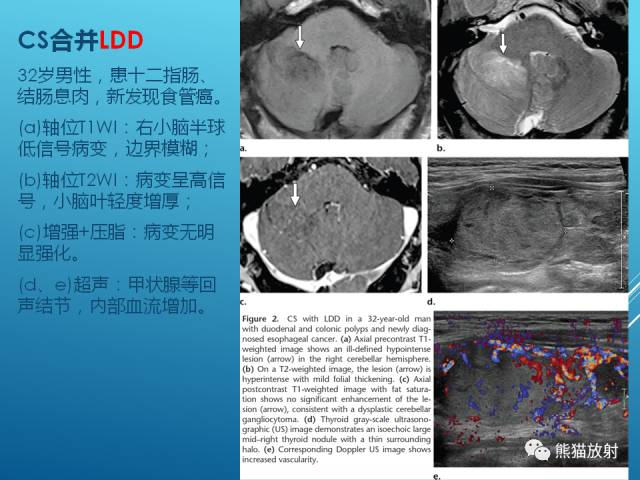
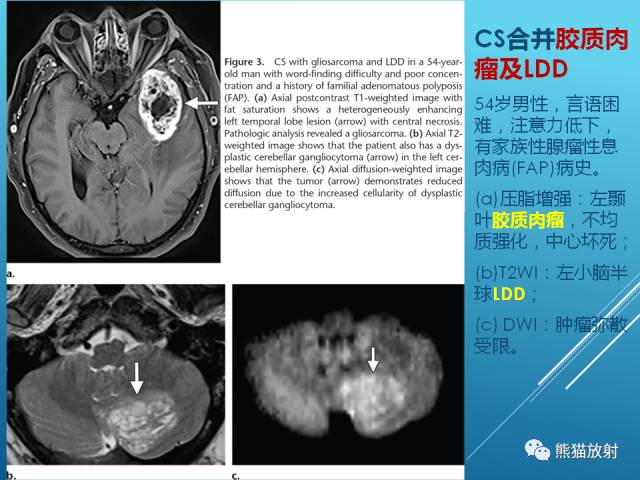
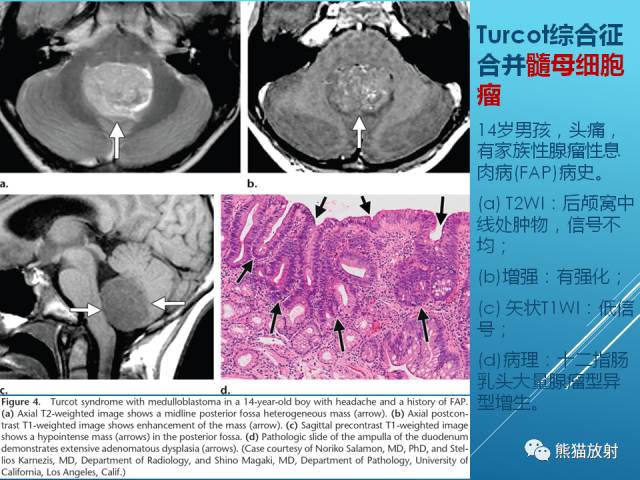
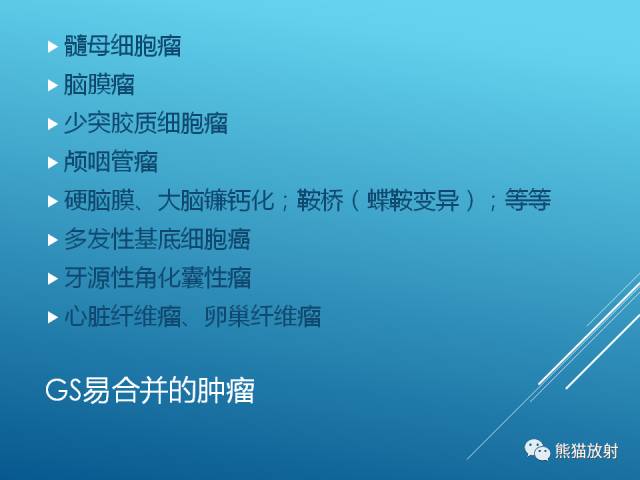
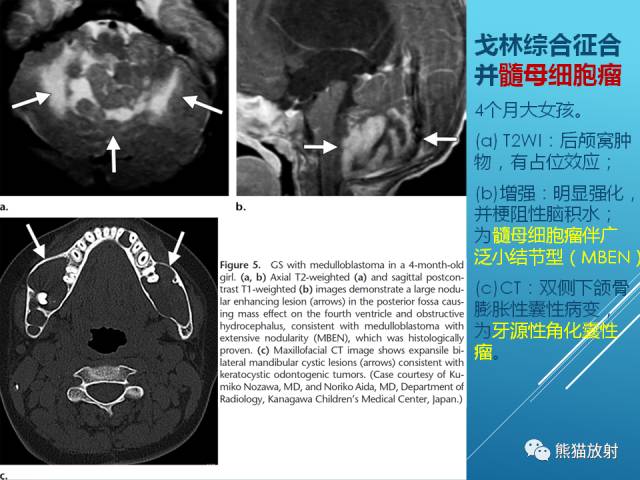
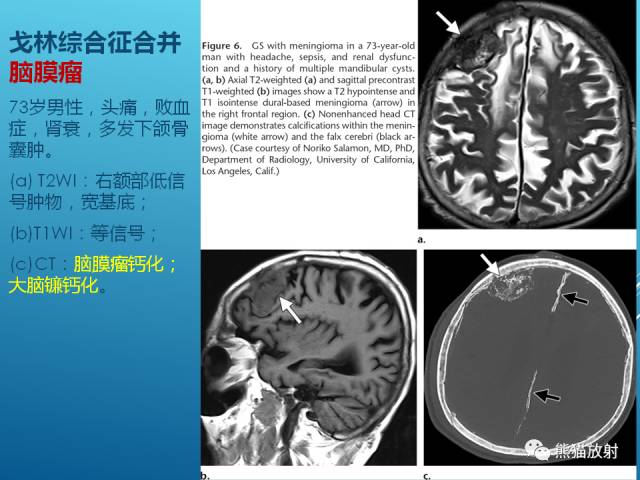
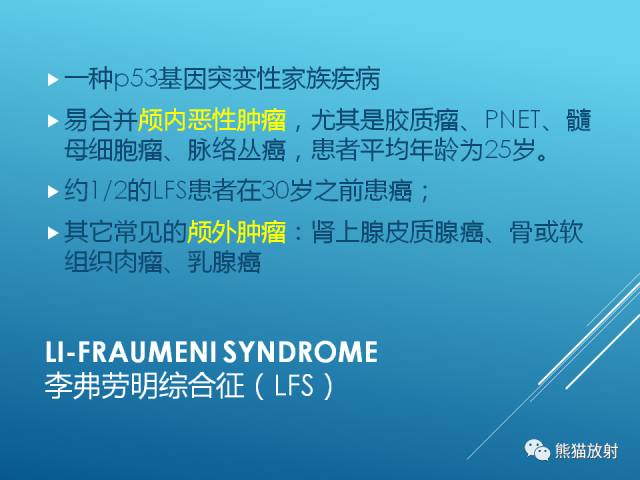
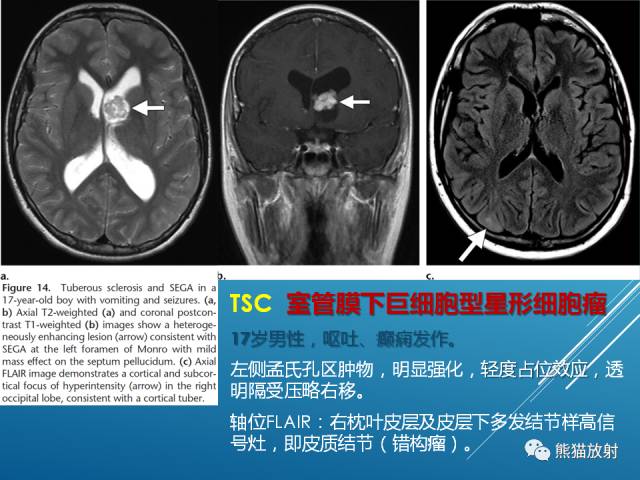
Several genetic tumor syndromes have associated central nervous system (CNS) neoplasms. The spectrum of syndromes that have intracranial tumor manifestations includes ataxia telangiectasia, Cowden syndrome, familial adenomatous polyposis, hereditary non–polyposis-related colorectal cancer, Li-Fraumeni syndrome, Gorlin syndrome, neurofibromatosis types 1 and 2, multiple endocrine neoplasia type 1, tuberous sclerosis complex, von Hippel–Lindau disease, and Turcot syndrome. Many of these disorders are inherited in an autosomal dominant fashion, and identification of the associated genetic defects has led to improved understanding of the molecular pathways involved in tumorigenesis, helping pave the way to the emergence of molecularly targeted therapeutics. Recognition of individuals and families at risk for such tumors is critical to improve clinical care and optimize proper genetic counseling. To contribute effectively, the radiologist should recognize the common varieties of tumors and characteristic neuroimaging manifestations seen in each familial syndrome. A fundamental understanding of the genetics and molecular pathogenesis of these tumors is critical in understanding the development of specific and unique tumors in each entity. In this article, we review the most common genetic tumor syndromes with associated intracranial neoplasms, with emphasis on recent genetic and molecular biology data, clinical manifestations, and management as well as the controversies and current recommendations for screening and surveillance. A detailed overview of all the major and pertinent CNS imaging features will be elucidated, including computed tomography, magnetic resonance imaging, and, in relevant cases, magnetic resonance spectroscopy.
Conclusion
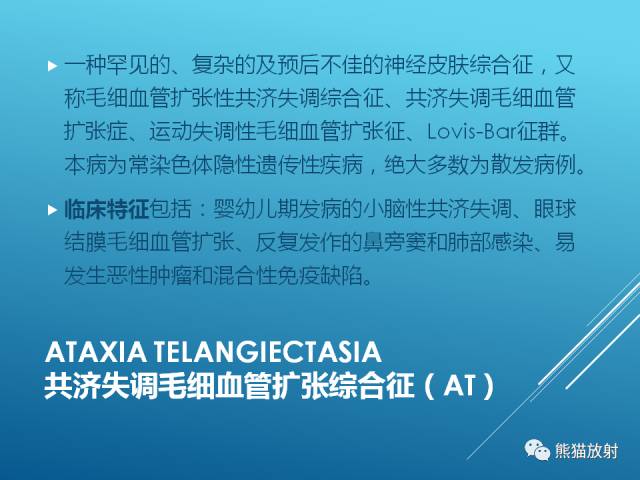
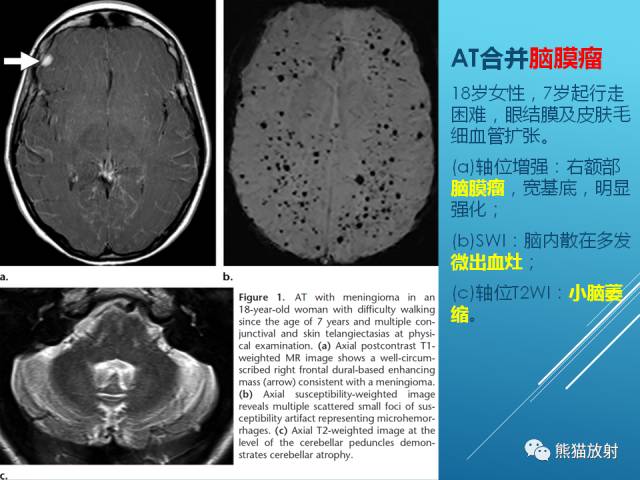
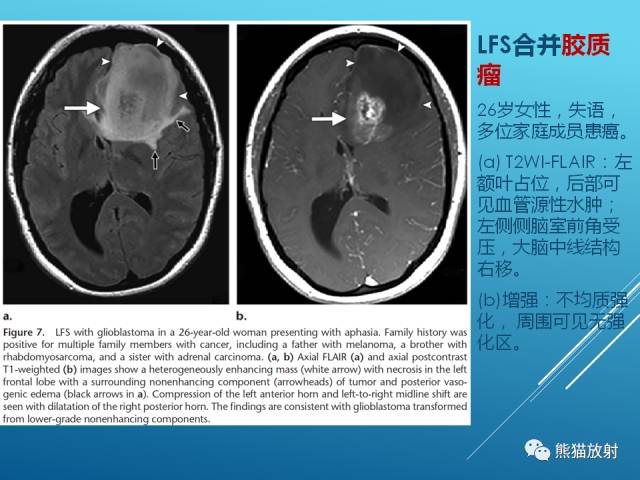
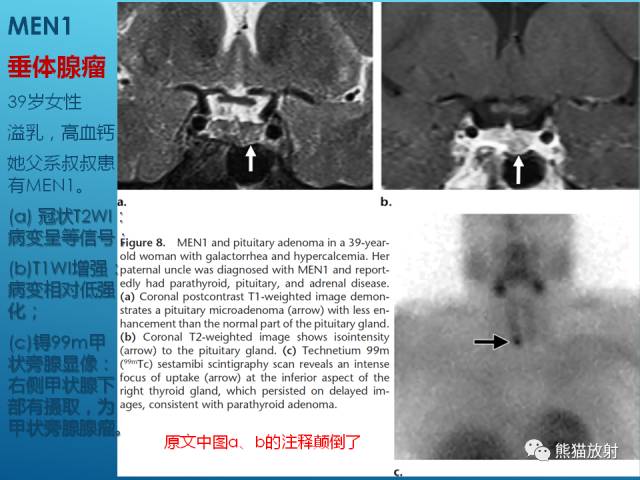
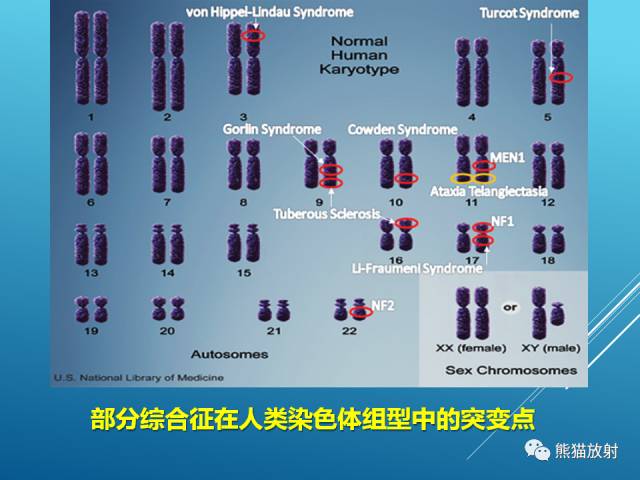
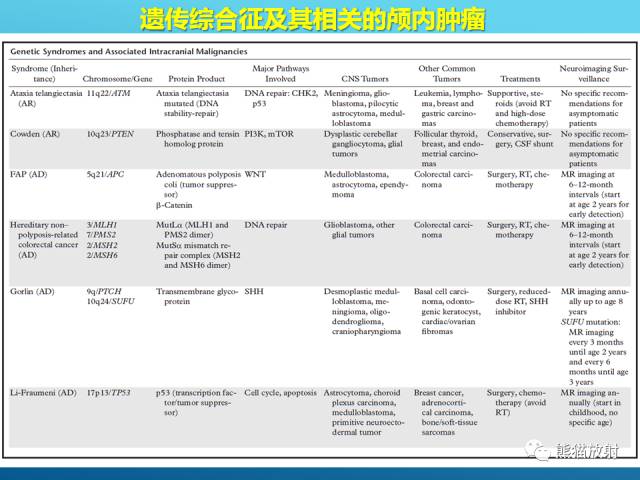
CNS neoplasms typically manifest sporadically. However, there are multiple genetic syndromes that have associated intracranial malignancies (Table). These syndromes have mutations, which are summarized in Figure 17. Tumors that manifest with these syndromes sometimes have different presentations. They can occur at an earlier age and be multiple in number. The prognosis can be better or worse when associated with a familial syndrome. Earlier screening and detection of these tumors can possibly halt and prevent intracranial complications such as hydrocephalus, hemorrhage, or neurologic deficits. Identifying these syndromes before clinical management may also be important when considering treatment options. Limiting or omitting radiation therapy due to increased risk of secondary tumors should be a consideration in AT and LFS. Therapies can also be targeted to the genetic defect in patients in whom a mutation has been identified.
The radiologist plays a vital role in identification, surveillance, and follow-up of CNS tumors seen in these genetic syndromes. They should be aware of the common familial syndromes that will require dedicated neuroimaging, potential complications, and associated treatment-related changes that can be demonstrated at follow-up.